


Key Takeaways
- Assisted living supports daily needs while honoring your loved one’s independence.
- Certain signs at home can signal it’s time to explore a senior living community.
- The application process typically starts with a tour, a health assessment, and a review of care needs.
- The right community offers whole-person care that adjusts as needs change over time.
- A tour is a low-pressure, meaningful first step toward finding a good fit.
A Guide to the Assisted Living Application Process
When a loved one starts needing a little more support at home, it can feel like a lot to navigate all at once. You want them to feel safe, happy, and cared for but you also want to honor who they are and the life they’ve built. That tension is real, and you’re not alone in feeling it. At Cedar Creek Senior Living, we understand how meaningful and how personal this decision truly is.
Applying for assisted living doesn’t have to feel overwhelming and knowing what to expect can make the whole process feel a lot more manageable. From the first tour to move-in day, there are clear steps that can guide your family forward with clarity and care. Learning who qualifies for assisted living is a great place to start before diving into the process itself.
What Assisted Living Is and Who It’s For
Assisted living is a type of senior living designed for people who value their independence but could use a helping hand with certain daily tasks. Think medication reminders, help getting dressed, or having a warm meal waiting.
It’s a fit for a wide range of needs, from light, occasional assistance to more frequent, hands-on care throughout the day. Families often turn to assisted living when they want peace of mind knowing their loved one is in a safe, supportive environment where someone is always nearby. If you’re still weighing your options, exploring the difference between independent and assisted living can help you feel more informed when choosing the right fit.
Signs It May Be Time to Explore Assisted Living
Changes to Watch For at Home
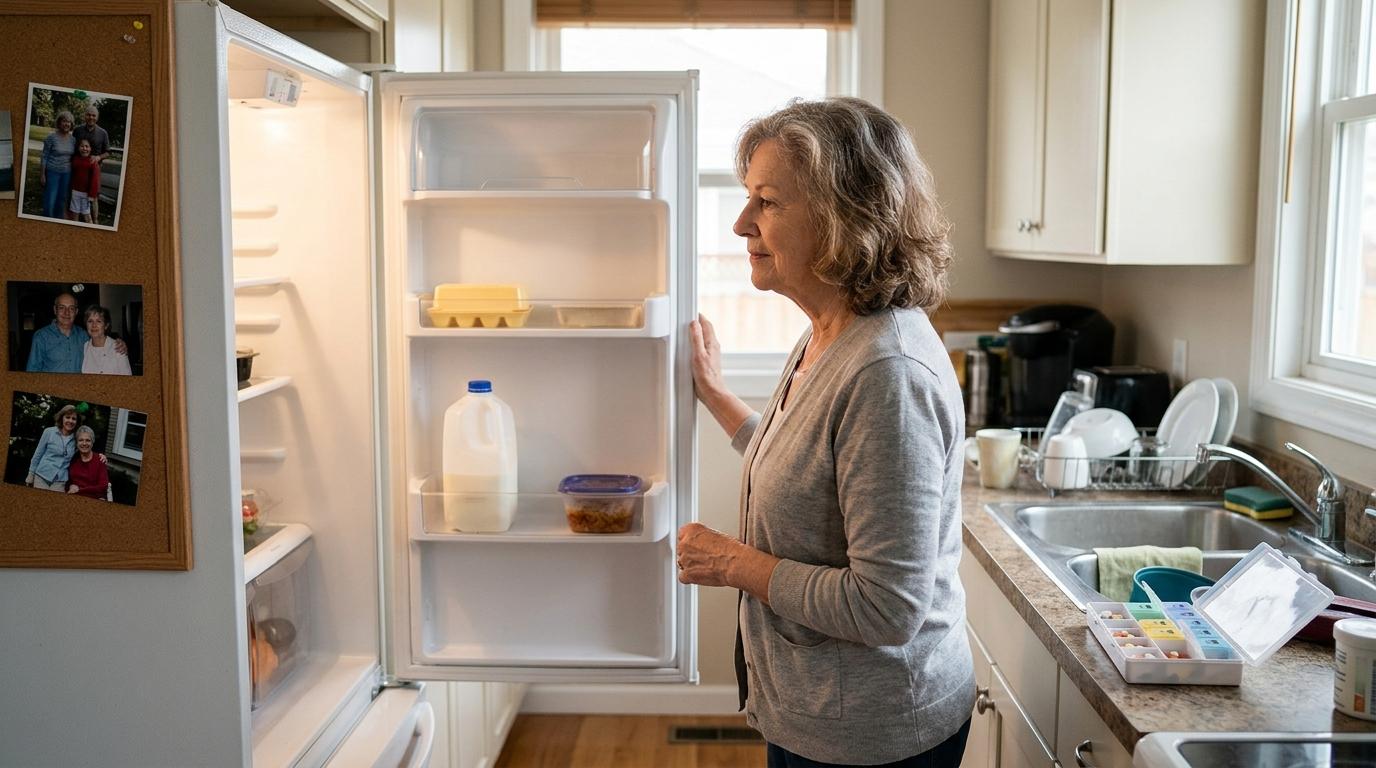
Sometimes the signs are subtle at first. You might notice the refrigerator is often empty, medications are being missed, or personal hygiene has started to slip. These small changes can add up and they’re worth paying attention to.
Increased isolation is another signal. If your loved one seems withdrawn, less engaged, or their mood has shifted over time, that’s something to take seriously. Social connection plays a big role in overall well-being, and assisted living communities can offer that built-in sense of belonging.
When Caregiver Support Feels Stretched
Caring for someone you love is one of the most selfless things you can do, but it can also be exhausting. If you’re feeling overwhelmed, constantly worried about safety, or running low on your own energy reserves, that’s a sign that extra support might be needed.
It’s not about doing less for your loved one. It’s about making sure they and you get the right kind of support. A senior living community can carry some of that weight so your relationship can breathe again. Recognizing the signs of caregiver burnout can help you identify when it’s time to ask for help.
How to Start the Application Process
Steps to Take Before You Apply
Before filling out any paperwork, start by touring a few communities. Walking through the space, meeting the team, and getting a feel for the atmosphere can tell you a lot that a brochure simply can’t. Ask questions about how care plans are personalized and how staff responds when needs change.
It also helps to gather your loved one’s medical records and make a list of their current care needs. Having that information ready can make the assessment process smoother and help the community match the right level of support from day one. Knowing what to look for in a senior living community beforehand can make those early conversations much more focused.
What the Application Typically Looks Like
Most communities begin with a health assessment and a conversation about your loved one’s physical, emotional, and daily living needs. This helps the team understand what kind of support would be most helpful and how to shape a care plan around the individual, not a checklist.
From there, you’ll typically review available services, lifestyle options, and amenities together. It’s a chance to ask about daily programs, dining, spiritual care, and anything else that matters to your family. No detail is too small. You can get a sense of what that looks like by exploring what assisted living provides day to day.
What to Look for in a Senior Living Community
Not every community is the same, and what you’re looking for matters. Whole-person care and support that addresses physical health, emotional well-being, and spiritual connection can make a real difference in how someone thrives day to day.
Look for a community where support is flexible and can grow alongside your loved one’s needs. A warm, homelike atmosphere with engaging daily programs helps residents feel connected, purposeful, and at home.
Take the Next Step Toward Assisted Living
A tour is one of the simplest, most meaningful things you can do right now. It’s low-pressure, it’s informative, and it gives your family a real sense of what life could look like. Bring your questions.
Cedar Creek Senior Living aims to make this transition feel supported every step of the way. Reach out today to schedule a tour and see for yourself what a caring, connected community can offer your loved one.